
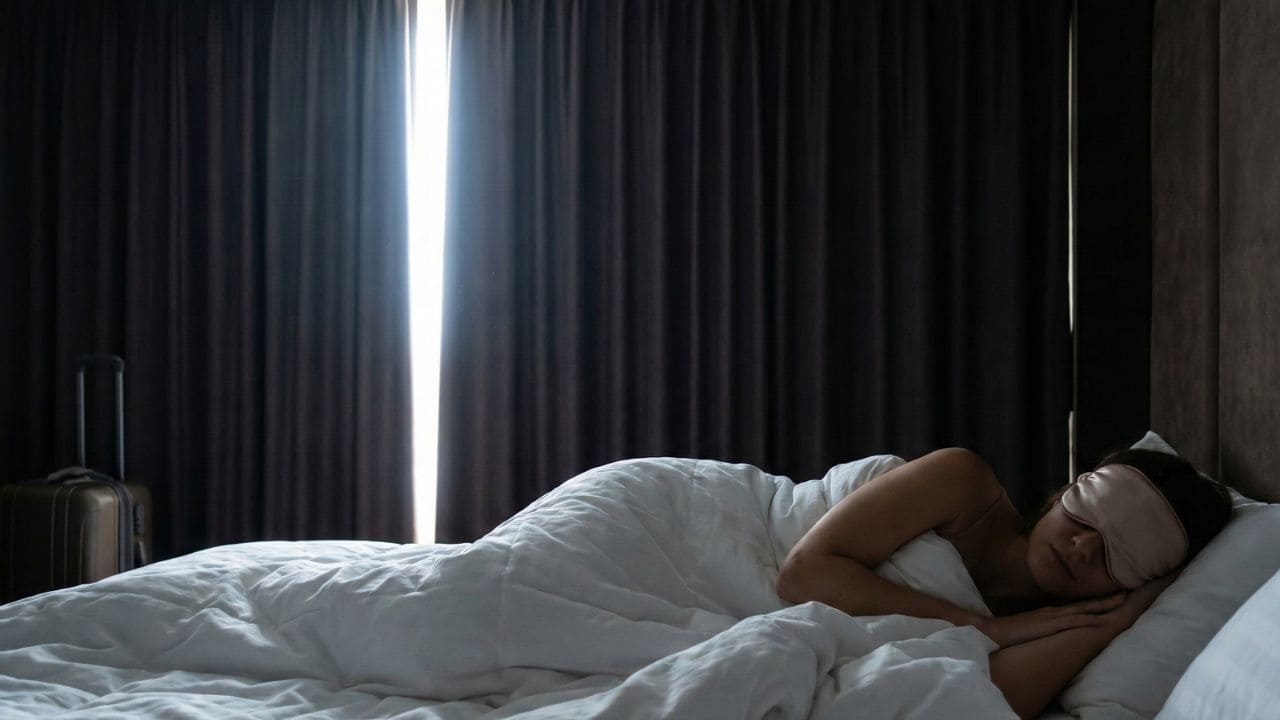
One of the most effective ways to beat jet lag and travel fatigue is utilizing day use hotels. These ‘short-stays’ allow travelers to book rooms for 3 to 11 hours to nap, shower, and reset circadian rhythms. This approach has become popular because it offers the privacy and recovery amenities that airport facilities simply cannot reliably provide.
Recognizing Travel Exhaustion
You’ve just returned from an amazing trip or arrived after a long flight. Instead of feeling energized, you’re dealing with exhaustion, brain fog, disrupted sleep, or irritability. This is travel exhaustion—a common combination of jet lag, post-travel fatigue, and sometimes travel burnout.
According to CDC and Sleep Foundation guidelines, most symptoms resolve in 1–7 days. However, you do not have to wait a week to feel normal again. While eastward travel is often harder on the body, proactive recovery strategies can significantly speed up this timeline.
5 Steps to Recover Faster
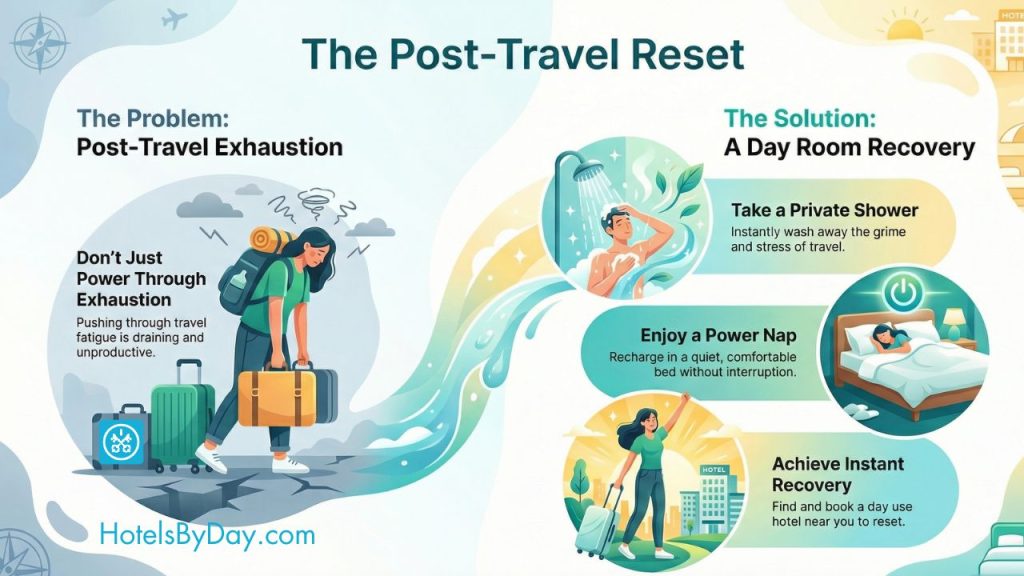
While booking a quiet hotel room provides the deep rest needed for immediate recovery, you should pair it with these biological resets to beat burnout:
- Prioritize Quality Rest: If you cannot sleep through the night, consider a ‘daycation’ to bridge the gap. Deep recovery requires an environment free from distractions.
- Stay Hydrated: Travel dehydrates the body, which worsens fatigue. Drink water and electrolytes before, during, and immediately after your flight.
- Get Timed Natural Sunlight: Sunlight is the primary cue to reset your body clock. Exposure to morning light suppresses melatonin to wake you up, while avoiding bright light in the evening helps you sleep.
- Adjust to Local Time Immediately: Try to eat and sleep according to your destination’s clock as soon as you land.
- Move Lightly: Gentle exercise boosts circulation and helps you stay awake without over-tiring your body.
Ready to reset? Don’t power through the exhaustion. Find a day use hotel near you with HotelsByDay and get the rest you need to recover instantly.
How Long Does Recovery Take?

Recovery varies by individual, but research consistently indicates that jet lag takes approximately one day per time zone crossed. This timeline extends significantly when traveling eastward, according to studies from the National Library of Medicine.
Recovery Time Estimator
| Factor | Faster Recovery (1–3 Days) | Slower Recovery (4+ Days) |
| Time Zones | 1–3 Zones Crossed | 6+ Zones Crossed |
| Direction | Westward (Extending Day) | Eastward (Shortening Day) |
| Demographics | Younger, Well-Hydrated | Older, Dehydrated |
| Sleep Hygiene | Consistent Schedule | Poor/Irregular Schedule |
Eastward vs. Westward Travel: Why Direction Matters
Jet lag is biologically harder when traveling Eastward because it shortens your day, forcing you to advance your internal clock against its natural rhythm. Westward travel extends the day, aligning better with the human body’s natural preference for a slightly longer cycle (~24.2 hours).
| Direction | The Challenge | The Strategy |
| Eastward (e.g., US to Europe) | Shortens the day. Harder to fall asleep earlier than usual. | Seek Morning Light. Avoid afternoon naps to build sleep pressure. |
| Westward (e.g., Europe to US) | Lengthens the day. Harder to stay awake in the evening. | Seek Evening Light. Use short naps (20 mins) if struggling to stay awake. |
The Science: Why These Methods Work

Understanding the biology of jet lag helps you treat it effectively rather than just enduring it.
- The Master Clock (SCN): Your suprachiasmatic nucleus (SCN) in the hypothalamus controls your body clock. When light hits your retina, it signals the SCN to suppress melatonin. This is why timed light exposure is the single most powerful tool for resetting your rhythm.
- The “25-Hour” Problem: The human circadian rhythm naturally runs slightly longer than 24 hours. This explains why flying West (lengthening the day) feels physically easier than flying East.
- The “Altitude” Factor: Airplane cabin humidity drops to 10–20% (vs. 30–60% on the ground). This accelerates fluid loss and thickens the blood slightly, impairing cognitive function and worsening fatigue regardless of time zones.
Hour-by-Hour Recovery Protocol (First 24 Hours)
The first day determines how the rest of your week feels. Follow this timeline immediately upon landing.
For Eastward Travel (e.g., US to Europe)
- Hour 0–2 (Arrival): Hydrate with 16–24 oz of water immediately. Do not nap yet.
- Hour 2–4: Seek 30–60 minutes of outdoor sunlight. This signals your SCN that the day has begun.
- Hour 6–8: Eat a light meal aligned with local lunch or dinner times.
- Hour 12–14: If exhaustion is unmanageable, limit napping to 20 minutes max.
- Hour 20–22: Prepare for local bedtime. Ensure the room is cool (65–68°F) and pitch black.
For Westward Travel (e.g., Europe to US)
- Goal: Stay awake until at least 8:00 PM local time.
- Mid-Afternoon: Take a 20-minute power nap if needed, but no longer.
- Late Afternoon (4–7 PM): Seek bright evening light. This delays melatonin release and helps you push through early drowsiness.
- Early Evening: Engage in light exercise (walking, stretching) to boost body temperature and alertness.
5 Common Mistakes That Prolong Jet Lag Recovery
- Taking long naps: Naps over 30 minutes can anchor you to your old schedule and make it harder to sleep at the appropriate local time.
- Staying indoors all day: Missing sunlight exposure is the #1 recovery mistake.
- Using alcohol to fall asleep: While it may help you doze off, alcohol disrupts REM sleep quality and worsens dehydration.
- Eating heavy meals at odd times: Large meals when your body thinks it’s midnight compounds digestive disruption.
- Immediately diving into intense exercise: Vigorous workouts stress an already-taxed system; stick to light movement.
Why Home Recovery Often Fails (And Why Hotels Work)

While your home is comfortable, it is often filled with “recovery traps”—chores, family needs, pets, and the psychological pressure to be productive. To beat post-travel fatigue effectively, you need a Strategic Recovery Environment.
A “daycation” (booking a hotel room for daytime use) offers distinct physiological advantages over trying to nap on your couch:
- Environmental Control: Hotels offer “sleep hygiene” perfection—blackout curtains, precise temperature control, and soundproofing. Studies confirm that cooler, darker environments significantly deepen REM cycles.
- The Psychological Boundary: Your brain associates home with activity and obligation. Entering a hotel signals your brain to switch into “passive mode.”
- Zero Obligations: In a day-use room, there are no doorbells, dirty dishes, or emails to check. You have permission to do absolutely nothing.
The Recovery ROI: Investing $50–$150 for a 4–8 hour day stay can cut your physical recovery time from 5 days to just 2–3 days. This small upfront cost often saves days of lost productivity.
Unlock your day in a few taps
Book your day stay even faster with our iOS and Android apps!


Essentials: What to Pack for a Daycation
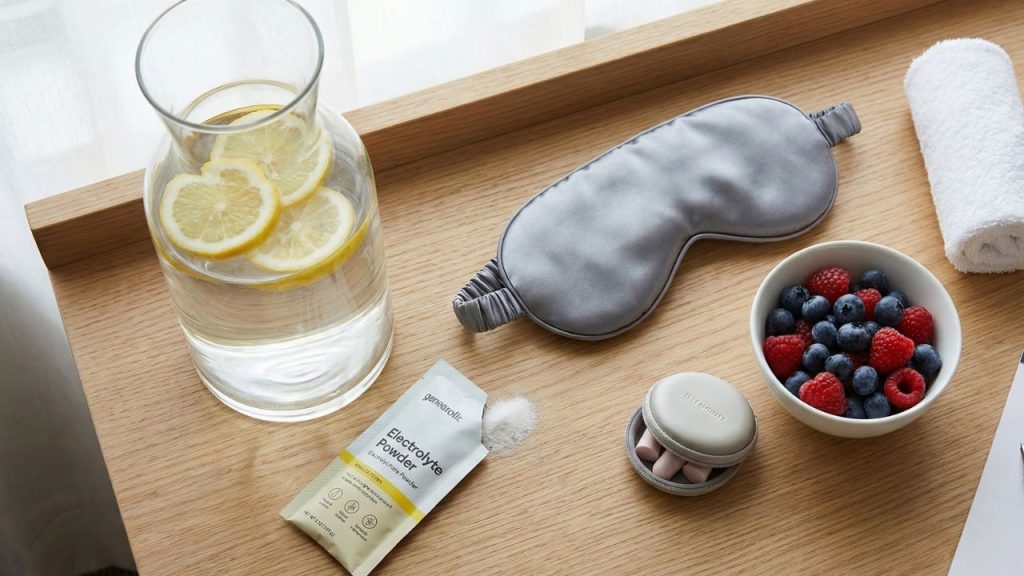
To maximize your recovery window, treat this like a mini-vacation. Bring only what aids sleep and hydration:
- Sleep Aids: Eye mask and earplugs (essential for total sensory deprivation).
- Comfort Wear: Loose-fitting, breathable fabrics. Avoid tight waistbands.
- Hydration: A 32+ oz water bottle. Hydrating immediately upon waking from a nap is crucial for flushing metabolic waste.
- Low-Dopamine Entertainment: Light reading material or a white noise app. Avoid scrolling social media, which spikes dopamine and hinders rest.
- Nutrient Support: Fruit, nuts, or protein bars to stabilize blood sugar without a heavy meal.
Ready for your post-travel reset?
Don’t power through the exhaustion. Book a day room for a private shower, power nap, and instant recovery.
Find a day use hotel near youAge-Specific Recovery Strategies
Biological resilience changes with age. Tailor your recovery plan to your decade:
- 20s–30s (The “Adaptation” Phase): You generally recover fastest (3–5 days). Your body can tolerate aggressive schedule adjustments, so focus on immediate adaptation rather than gradual easing.
- 40s–50s (The “Maintenance” Phase): Recovery typically takes 5–7 days. As sleep efficiency naturally declines, hydration becomes your primary tool. Aim for 10–12 glasses of water daily.
- 60+ (The “Gentle Reset” Phase): Allow 7–10 days for full recovery. Because the circadian system weakens with age, morning light exposure is critical to signal “daytime” to your brain. Break ultra-long flights (12+ hours) with stopovers.
- Children: Kids adapt quickly due to flexible circadian rhythms but may suffer from mood disruptions. Maintain familiar rituals (bedtime stories, favorite comfort items) even if the sleep time has shifted.
Jet Lag vs. Travel Burnout: Knowing the Difference
It is crucial to distinguish between physical lag and mental burnout, as they require different remedies.
- Jet Lag is a circadian rhythm disorder. It requires biological interventions (light, melatonin, sleep timing).
- Travel Burnout is mental and emotional exhaustion. It requires psychological interventions (boundaries, quiet time, sensory deprivation).
How to Treat Burnout Quickly:
Unlike jet lag, you cannot “power through” burnout.
- The “Buffer Day” Rule: Never return to work the day after landing. Schedule 24 hours of zero commitments.
- Sensory Detox: Limit social interaction and screen time for 2–3 days.
- Reflective Journaling: Process the trip mentally to help your brain transition from “travel mode” to “home mode.”
Travel Myths: Fact vs. Fiction
- MYTH:“Sleeping on the plane cures jet lag.”
- FACT: Plane sleep reduces fatigue, but it does not reset your internal clock. You will still wake up at the wrong time.
- MYTH:“You can ‘bank’ sleep before a trip.”
- FACT: Sleep cannot be stored like cash. It is more effective to shift your bedtime gradually 3 days before flying.
- MYTH:“Jet lag is just being tired.”
- FACT: It is a physiological condition affecting digestion, immunity, cognitive function, and athletic performance—not just sleepiness.
- TRUE:“Eastward travel is harder.”
- FACT: Validated by science. Our internal body clocks naturally prefer a cycle slightly longer than 24 hours, making it easier to “lengthen” the day (flying West) than “shorten” it (flying East).
When to Seek Medical Attention
While travel exhaustion is normal, specific symptoms require professional care. Consult a provider if you experience:
- The “2-Week Rule”: Fatigue or insomnia persisting beyond 14 days.
- DVT Warning Signs: Swelling, pain, warmth, or redness in one leg (signs of Deep Vein Thrombosis).
- Mental Health Shifts: Panic attacks, severe anxiety, or depressive episodes triggered by the trip.
- Chronic Condition Flare-ups: Uncontrolled diabetes or heart palpitations worsened by schedule changes.
Prevention: The “Pre-Flight” Protocol
- The 3-Day Shift: Adjust your bedtime by 30–60 minutes each night for 3 days before departure.
- The “Strategic Stopover”: If flying 12+ hours, break the trip into two segments. A day-use hotel stay during a long layover can prevent the compounding exhaustion of ultra-long-haul travel.
- Smart Flight Selection: Aim for early evening arrivals. This forces you to stay awake for a few hours before crashing at a normal local bedtime.
Frequently Asked Questions
How do I recover from jet lag without ruining my schedule?
Adapt quickly by sticking to the local time zone for meals, sleep, and activities. Get natural sunlight at appropriate times (morning for eastward travel) and avoid long naps. Light exposure and hydration are key natural aids, helping your body clock reset without major disruptions (per CDC and Sleep Foundation guidelines).
Why am I so tired after a flight or vacation?
Primary causes include dehydration from dry cabin air, poor sleep in cramped conditions, disrupted routines, and circadian shifts. Even without time zones, physical strain and irregular eating add up, leading to fatigue that typically resolves in 1–3 days with rest and rehydration.
What’s the fastest way to reset after long travel?
Combine hydration, morning light exposure, light exercise, and dedicated rest. A daycation in a quiet hotel room offers uninterrupted recovery time, often speeding the process to same-day improvement.
Is travel burnout the same as jet lag?
No, jet lag is specifically circadian disruption from time zone changes. Travel burnout is broader emotional/physical exhaustion from cumulative stress, planning, or overstimulation, and can occur without flying across zones.
What are the best natural remedies for jet lag recovery?
Focus on timed light exposure (morning sun for eastbound), aggressive hydration, light exercise like walking, and strategic short naps under 30 minutes. Avoid heavy meals or alcohol.
With these evidence-based tips, you’ll recover faster and get back to feeling your best. Whether you’re a frequent flyer or occasional traveler, understanding how your body responds to travel—and having a recovery plan—makes all the difference.
Safe travels!
